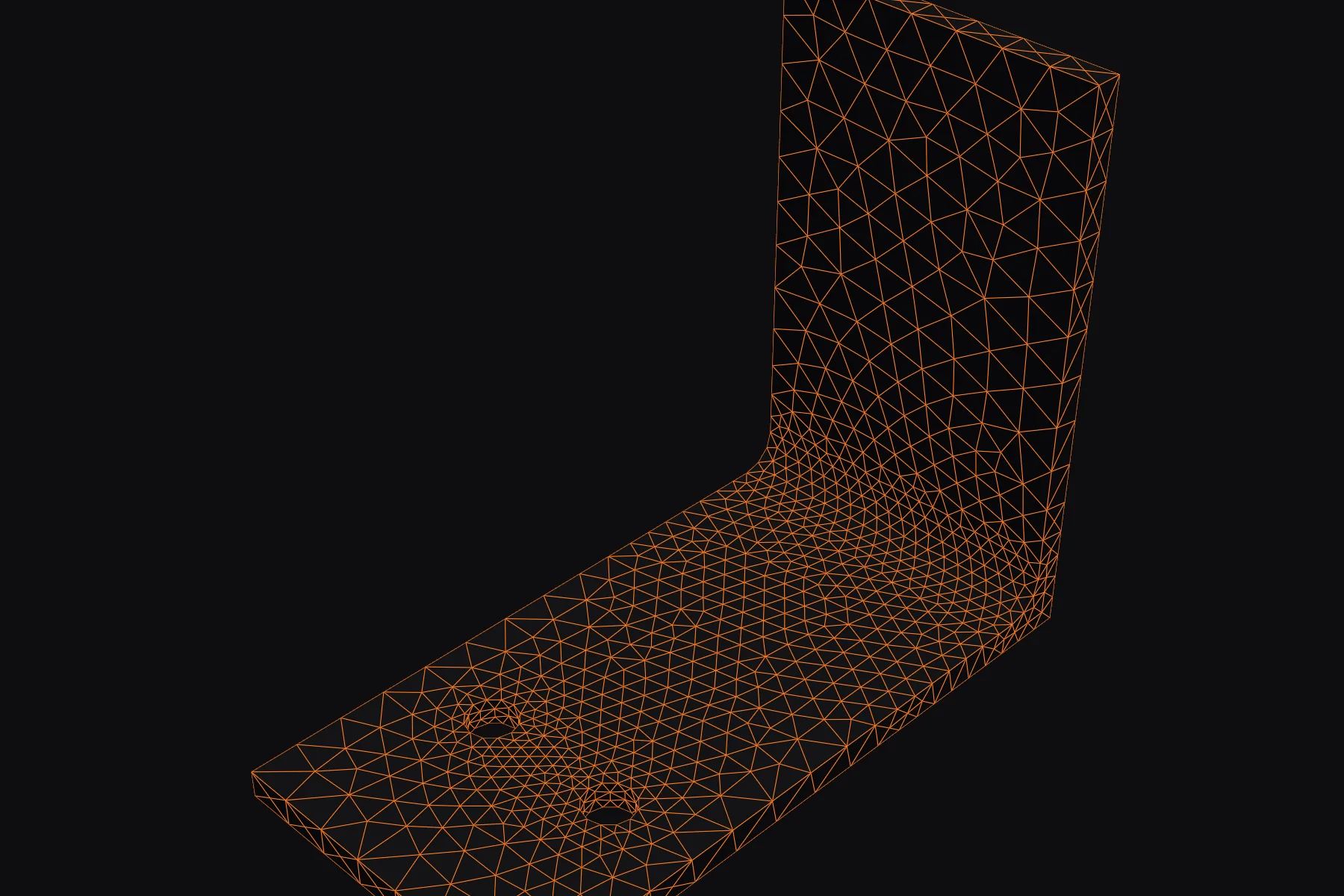
Simulation that answers the question you actually asked.
Send a plain-language prompt and a CAD file. Smidr picks the right structural and thermal-fluid analyses, runs them in isolated solvers, checks the results against engineering criteria, and returns a governed report that leads with a single verdict.
Four steps from a question to a defensible answer.
No solver setup, no meshing decisions, no boundary-condition guesswork on your side — the pipeline does the engineering and shows its work.
Describe & upload
Write what you need to know — “will this bracket survive the shock load?”, “does this cold plate keep the die under 85 °C?” — and attach STEP/IGES geometry.
Agents plan the analysis
A planner maps your intent to a run plan against a fixed capability registry — it never promises physics the solvers can’t deliver — and a setup agent picks constraints and loads from the geometry itself.
Solvers run & self-check
Each analysis runs in its own sandboxed process with a mesh-convergence study, timing, and provenance recorded. A reviewer scores every result against acceptance criteria.
Verdict & report
You get an interactive results portal and a governance PDF that opens with the overall GO / CONDITIONAL / NO-GO and the reasons behind it.
Structural and thermal-fluid, coupled when the physics demands it.
Built in-house and validated against analytic benchmarks — so every number has a known error bar, and the pipeline refuses the ones it can’t stand behind.
Structural (FEA)
- Static stress & deflection, self-weight and pressure loads
- Plasticity with limit-load detection; large-deflection
- Modal, seismic response spectrum, linearized buckling
- Thermal and thermal-stress
Thermal-fluid (CFD)
- 2D/3D flow with conjugate heat transfer
- Turbulence, buoyancy, forced and natural convection
- Boiling and melting (phase change) for immersion cooling
- Data-center aisle and cold-plate thermal cases
Coupled (MDAO)
- Sequential or two-way CFD ↔ FEA thermal coupling
- Stability-controlled transfer with convergence guards
- One heated, deformed structure as the answer
Every run carries
- A mesh-convergence (GCI) error estimate
- Acceptance criteria with pass/fail per criterion
- Timing, environment, and reproducibility provenance
Out of scope by design (and declared as such): fluid-structure interaction, transient coupling. We tell you what we don’t do.
Unretouched physics from the pipeline.
Every image below is rendered directly from the field data of an actual Smidr run — the same files delivered with a report.
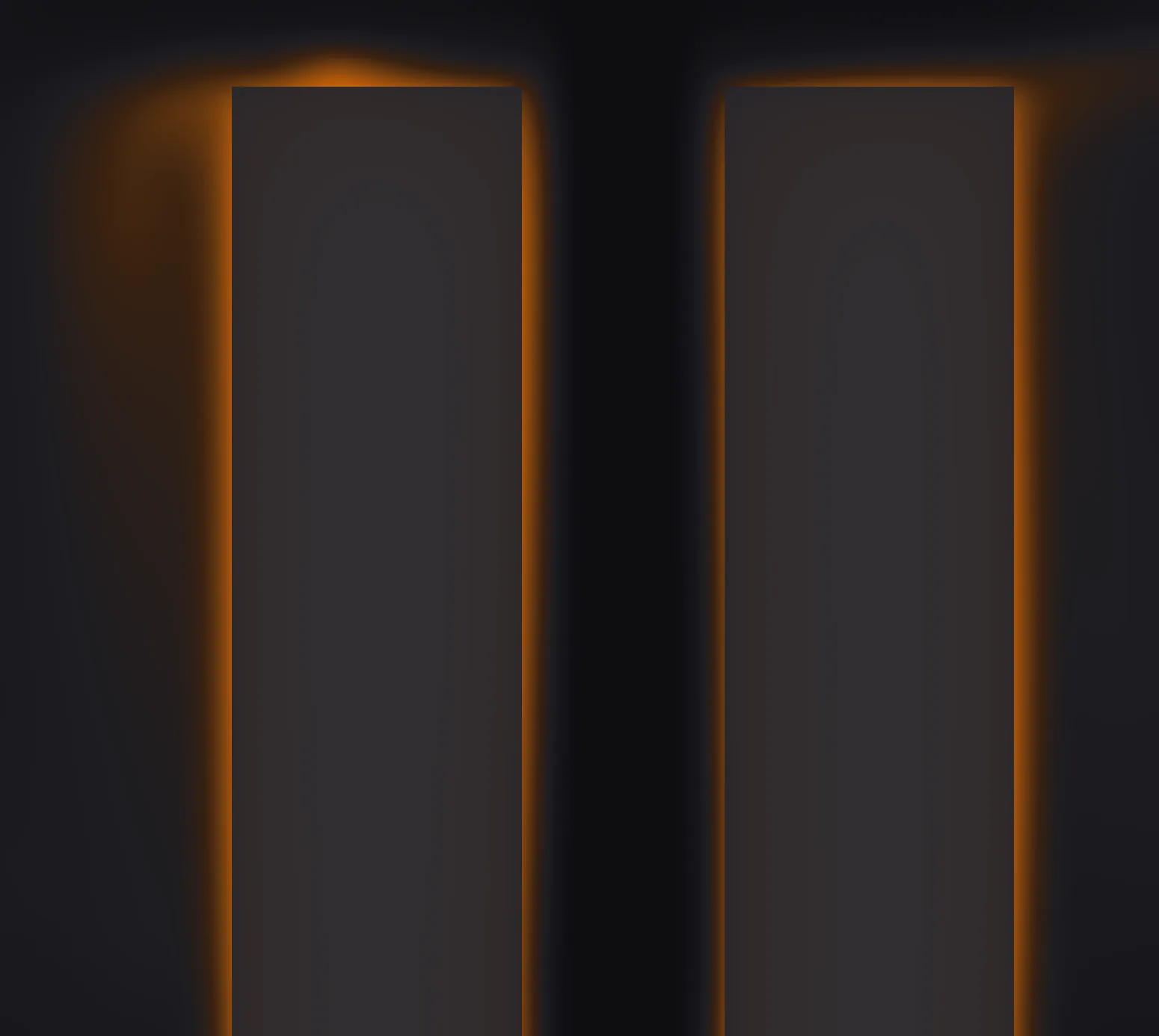
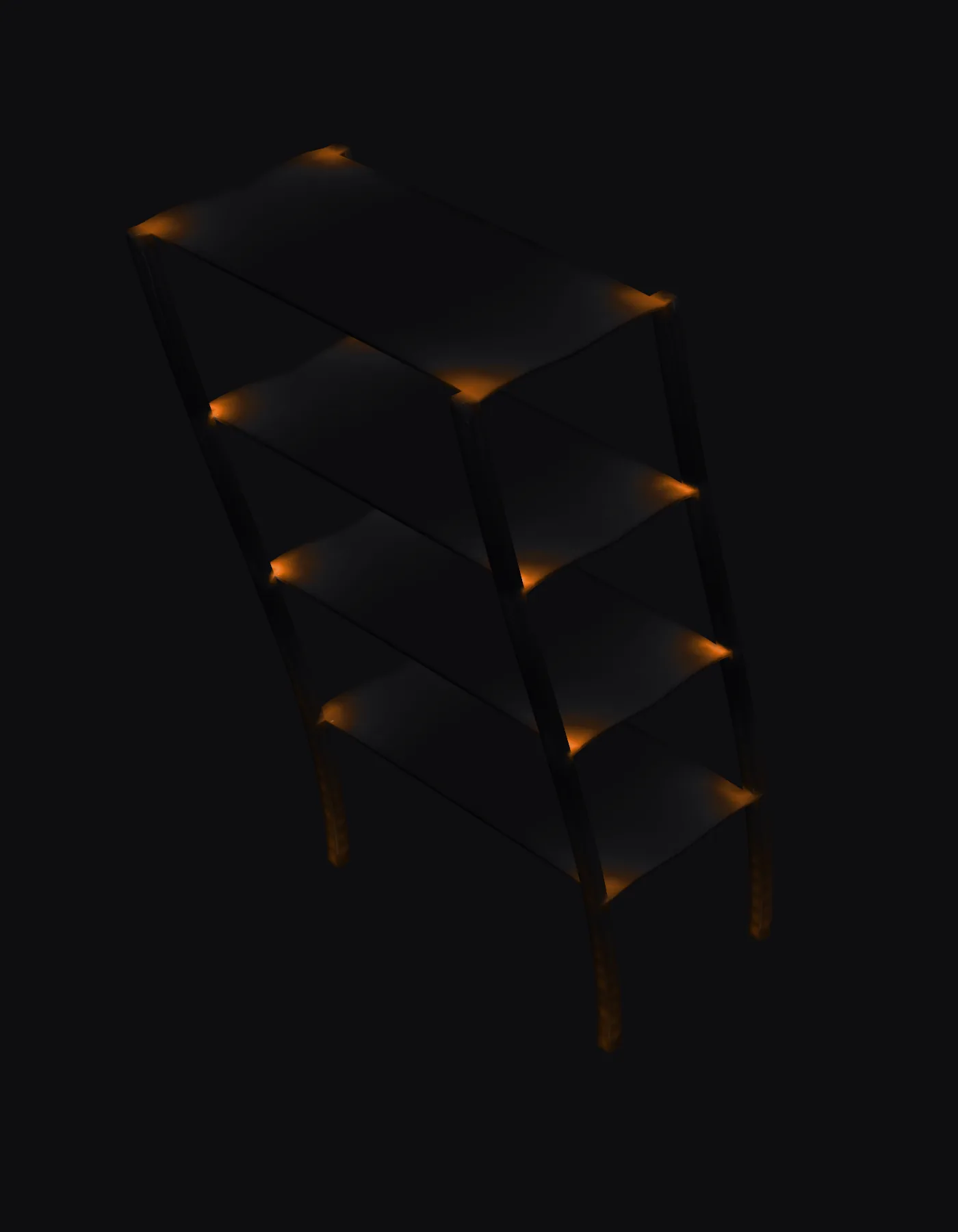
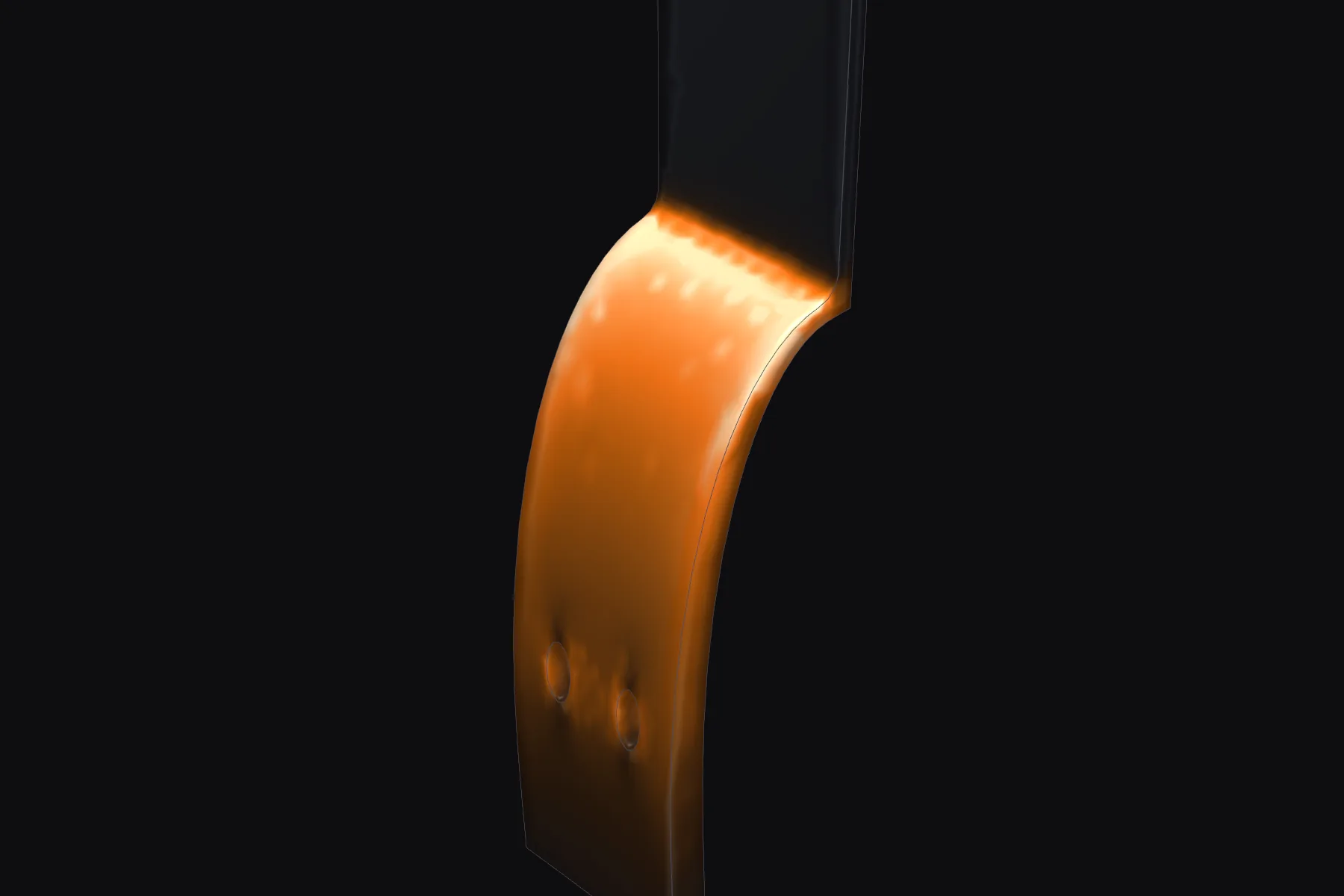
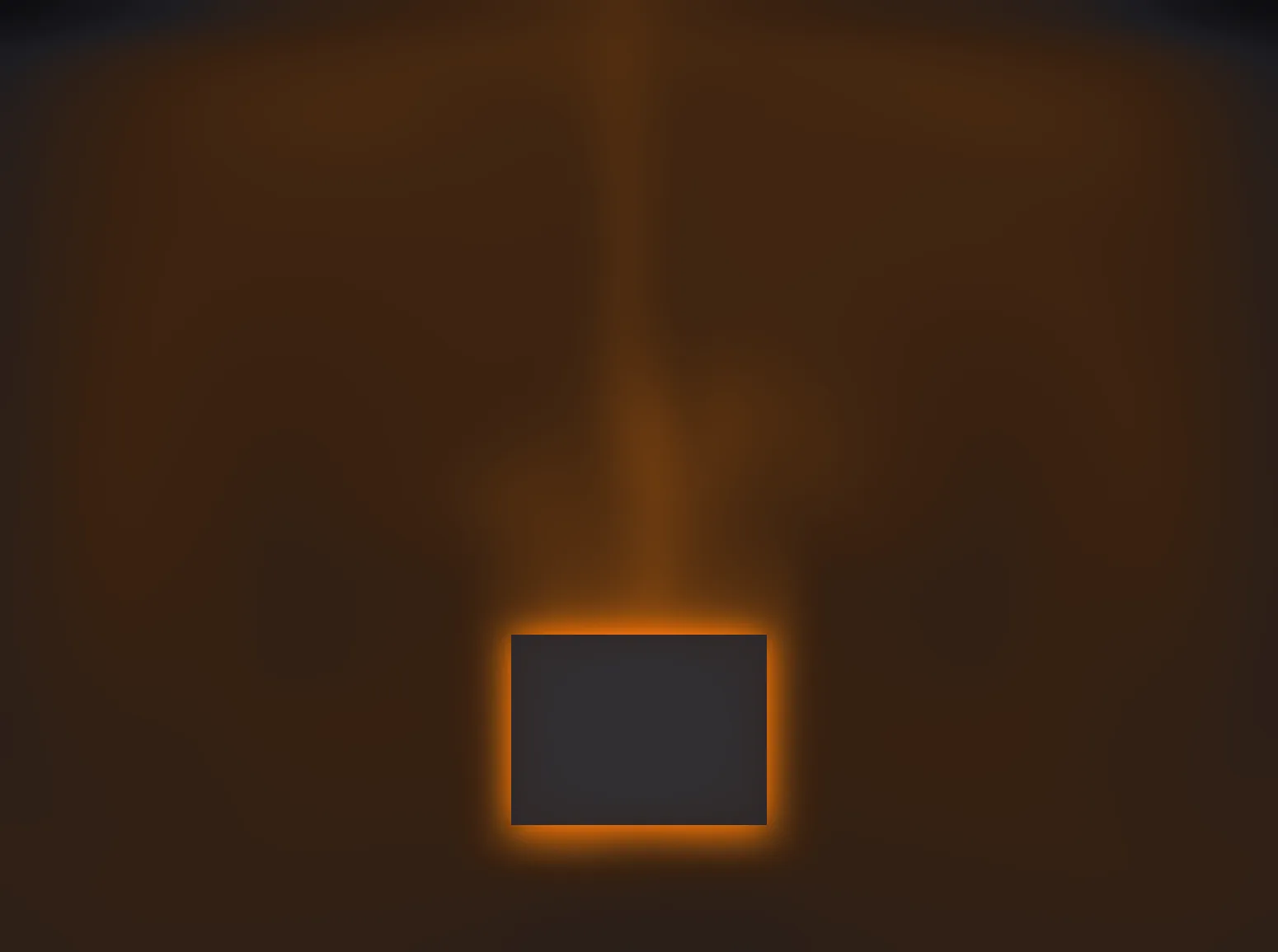

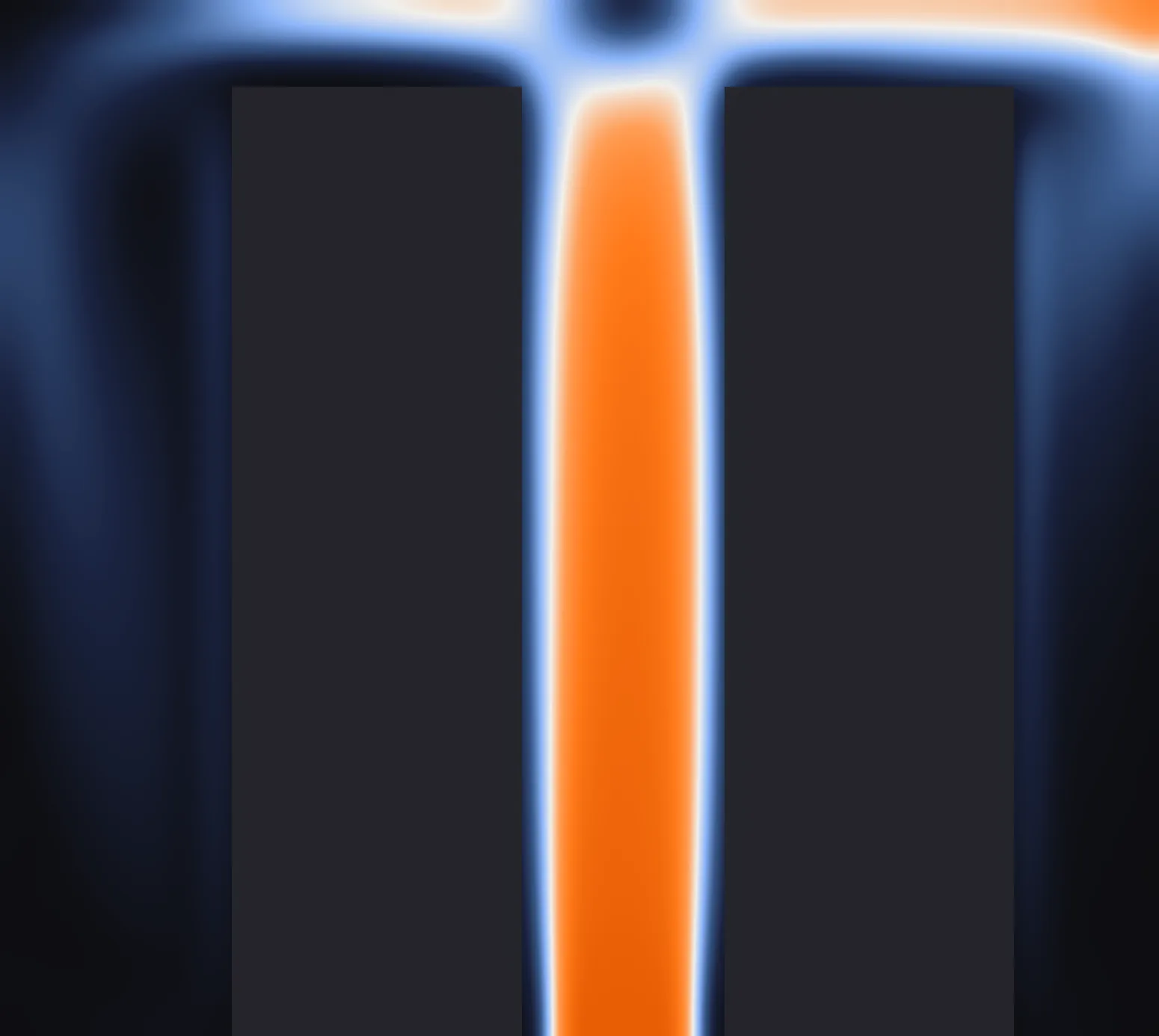
No stock imagery. These renders come from the validation and demo catalog that ships with every deployment — ask for the matching reports on your scoping call.
A verdict is only worth as much as its honesty about uncertainty.
It refuses when it can’t be sure
When a mesh study won’t converge, the pipeline reports “no error bound” rather than a confident-looking wrong answer. Screening-grade results are labeled as such.
Validated against known solutions
A standing analytic validation suite checks the solvers against textbook cases on every change — beams, Stefan problems, seismic SDOF, and more.
Your data stays yours
Each client is isolated by their own API key: your geometry, jobs, and reports are never visible to another client. Uploads are format-checked and size-capped.
Request pilot access
Smidr is invite-only during the pilot. Tell us the part you’re evaluating and the question you need answered — we’ll set up a short call and provision your account.
Prefer we reach out? Send your company and use case to admin@smidrlabs.com.
Short scoping call — we confirm your problem fits what the solvers do well.
We provision a private account and a client API key, scoped to you alone.
You submit jobs through the portal or your own pipeline and watch them run live.
You get the verdict, the interactive results, and the governance PDF.